
Where the parties stand on outdoor recreation
FMC wrote to the major political parties in July, asking for their stance on six policies on outdoor recreation and conservation. The policies were:
- Keep access free. Properly resource Herenga ā Nuku / the Outdoor Access Commission, and free it politically to protect and restore legal walking access routes, including unformed legal roads that connect people to the backcountry. Also, ensure any International Visitor Levy is used primarily to fund conservation costs, as an addition to core Crown funding for DOC, never as a replacement for it or a pretext to start charging New Zealanders or to defund DOC.
- Fund DOC properly. Fund DOC at a level that covers what needs doing, and commit to a 10-year funding plan so DOC can plan ahead rather than survive year to year. Review the Treasury rules that make DOC’s financial position look worse than it is and harder to fi x, including the treatment of hut depreciation, requirements to build and maintain unnecessarily high-spec huts and tracks in the name of safety, and the policies that inhibit rather than enable volunteers.
- Love our huts. Ban the sale or privatisation of DOC-owned and managed huts without an Act of Parliament, and reinstate secure, ongoing and adequate funding to the Backcountry Trust so it can continue to restore and maintain huts, recognising the strong community goodwill and value for money it delivers.
- Make Predator Free 2050 real. Reaffirm the Predator Free 2050 goal and find concrete, efficient ways to provide the funding required to make it a reality, including further investment in both technological and strategic innovation.
- Strengthen the Conservation Act. Commit to strengthening, not weakening, the Conservation Act’s protections, and to retaining independent decision-making over the conservation estate. Ensure conservation and recreation are taken into account in economic use or development plans, and that conservation land is never leased, disposed of, sold or exchanged without assessing the impact on conservation or recreational usage and access.
- Take outdoor recreation seriously. Recognise that recreation contributes significantly to the economy and enormously to health and wellbeing, thus lessening the load on our public health system, and commit to developing a National Outdoor Recreation Strategy with the outdoor recreation sector, and properly resource DOC’s recreation function.
We’re barrelling towards the election now, so we’re sharing the responses from the parties we’ve heard back from. So far, we’ve heard back from the Green, Labour and Opportunity Parties. See the table below to read their full responses and we’ll keep you updated if we get any more.
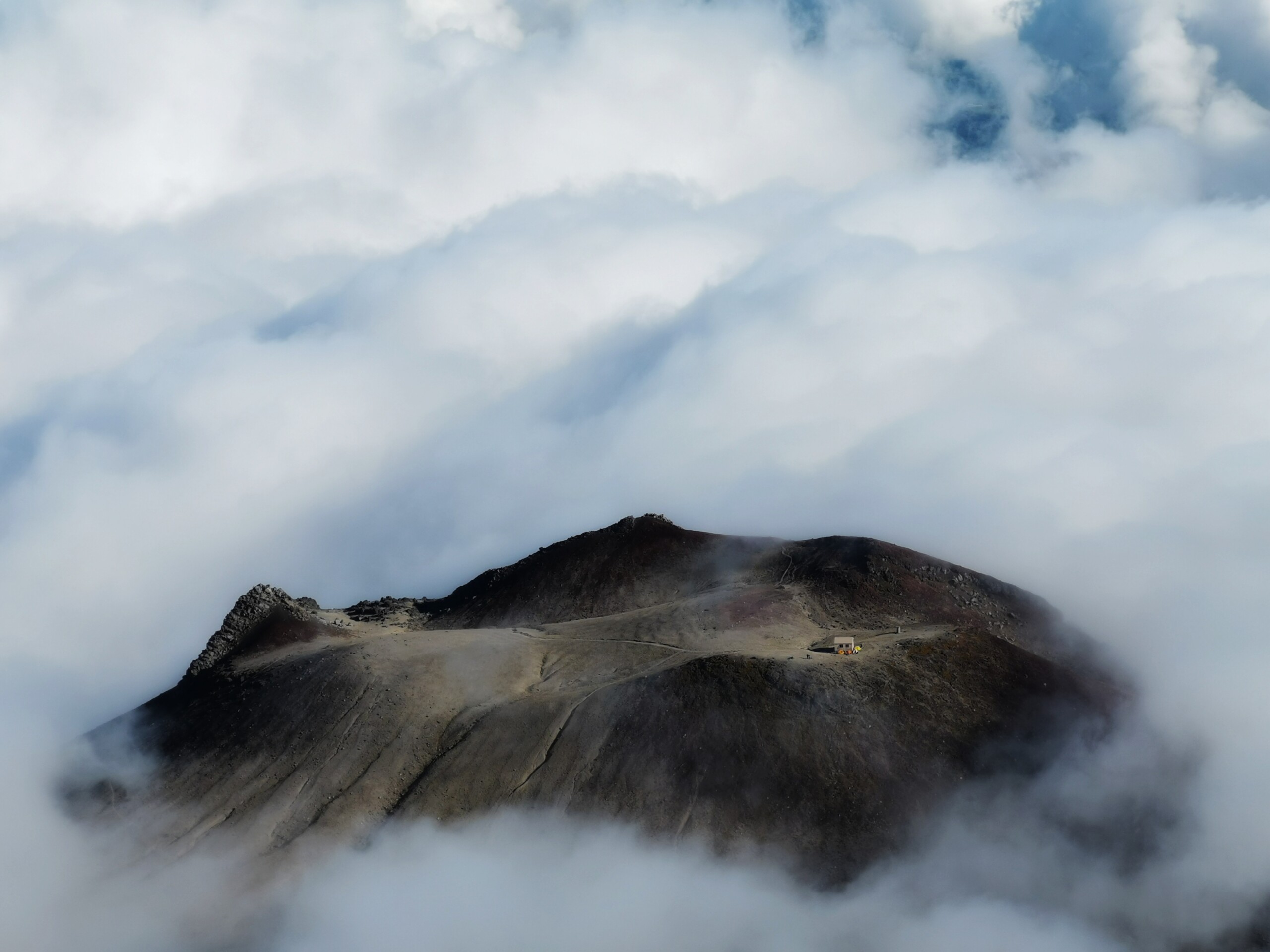
Image: Colan Balkwill
| Policy | Green Party | Labour Party | Opportunity Party |
|---|---|---|---|
| Keep access free | Committed to keeping access free by properly resourcing Herenga ā Nuku Aotearoa, the New Zealand Outdoor Access Commission, and supporting its independent role in protecting and restoring legal public walking access, including unformed legal roads that connect people with the backcountry. | Labour values Herenga ā Nuku / the Outdoor Access Commission. Access to New Zealand’s outdoors is something many Kiwis value as a key part of life. Labour has concerns about how the current government has used the International Visitor Levy, with a lot of that money going to marketing rather than conservation or infrastructure. A Labour government would make different choices in how this money is spent. | Opportunity supports free public access to New Zealand’s public conservation estate and will not use visitor charges on New Zealanders as a substitute for properly funding conservation. We support properly resourcing Herenga ā Nuku / the Outdoor Access Commission so it can protect and restore legal public access routes, including unformed legal roads that provide important connections to the backcountry. We also support using the International Visitor Levy to help meet the genuine conservation costs associated with international tourism, but as additional funding for conservation rather than a replacement for core Crown funding to the Department of Conservation (DOC). Public access to our conservation estate is an important public good and should not become a pay-to-enter system. |
| Fund DOC properly | Committed to funding DOC properly by increasing overall public conservation funding and resourcing DOC to protect and restore nature and maintain the places and facilities New Zealanders value and exploring a long-term funding pathway that gives DOC certainty to plan beyond annual Budget cycles. This includes ensuring revenue from the IVL is used for its original intent of remediating the impacts of tourism on our environment and not used for departmental baseline swaps. | Labour is committed to funding the Department of Conservation appropriately. The current government has made significant staffing and funding cuts to the Department of Conservation. | Opportunity supports a properly funded DOC with the certainty to plan and deliver conservation over the long term, rather than operating from year to year. We are open to the concept of establishing a 10-year funding framework for DOC, with funding aligned to clearly defined outcomes and the long-term stewardship of New Zealand’s natural capital. We also support reviewing Treasury and accounting settings that may create perverse incentives or make DOC’s financial position appear worse than the underlying public value of its assets and services. Our Conservation Amendment Bill submission makes the broader point that reform should improve the effectiveness of conservation management, not simply reduce costs or shift responsibilities elsewhere. |
| Love our huts | Committed to loving our huts by keeping public conservation assets in public ownership, including DOC-owned and managed huts as well as conservation land itself. | Labour supports the valuable work of the Backcountry Trust. | Opportunity supports protecting the DOC hut network as a core part of New Zealand’s public conservation infrastructure and outdoor heritage. We consider any proposal to dispose of a publicly owned hut should require a transparent assessment of its conservation, recreation, access and community value. We also support secure, ongoing funding for the Backcountry Trust to maintain and restore huts, recognising the substantial volunteer effort and community goodwill it mobilises and the value it provides at relatively low cost. Our wider approach is that public conservation assets should be managed for their long-term public value, including recreation and access, rather than simply judged against narrow financial measures. |
| Make Predator Free 2050 real | Committed to making Predator Free 2050 real by recognising that the programme requires sustained public investment by increasing funding and support for the Predator Free 2050 goal. | Labour supports the Predator Free 2050 goal and ways to reach that goal, including through technological and strategic innovation. | Opportunity reaffirms the Predator Free 2050 goal and believes achieving it requires both sustained investment and a focus on innovation. Our Healthy Land and Water policy recognises that New Zealand will not solve its biodiversity crisis by relying indefinitely on the same tools at the same scale. We support increased investment in the science, technology and strategic innovation needed to achieve landscape-scale predator control and, ultimately, eradication where technically feasible. That means backing new tools alongside proven methods, and directing investment towards interventions that deliver the greatest biodiversity gains. Predator Free 2050 should be treated as a long-term national mission, with stable funding and clear milestones rather than being repeatedly reset by changes in government priorities. |
| Strengthen the Conservation Act | Committed to strengthening conservation law by reforming conservation and wildlife protection laws to give effect to Te Tiriti, elevate Indigenous-led land stewardship and ensure the conservation management system prioritises halting and reversing nature loss in Aotearoa. | Labour supports strengthening the Conservation Act. However, Labour does not support amendments by the current government that will weaken protections for public conservation land to make it easier to sell this land, including land with high conservation value. Labour also does not support the amendments that change the purpose of the Department of Conservation to enable them to prioritise economic development over conservation or the amendments that weaken the Treaty clauses. Amendment Bill. Labour will continue to fight to protect public conservation land. | Opportunity supports strengthening, not weakening, the Conservation Act’s protections and retaining independent, transparent decision-making over public conservation land and waters. In our submission on the Conservation Amendment Bill, we oppose the proposed changes that would weaken DOC’s conservation-first mandate, elevate economic development within its statutory functions, increase Ministerial discretion and reduce the role of the New Zealand Conservation Authority, Conservation Boards and the public. We are committed to ensuring that DOC’s statutory functions remain centred on protecting and restoring New Zealand’s natural heritage, while appropriate use and development continues to be enabled through a robust concessions system. Our Healthy Land and Water policy also recognises that public conservation land generates substantial natural capital — including biodiversity, clean water, carbon storage, climate resilience, recreation and cultural value — that is often invisible in conventional economic assessments. We therefore support requiring the ecological, recreational, cultural and natural-capital value of public conservation land to be properly assessed alongside any proposed economic use or development. Any proposal to dispose of, exchange or permanently alter public conservation land should be subject to rigorous independent assessment, public scrutiny and explicit consideration of its impact on conservation, recreation and public access. |
| Take outdoor recreation seriously | Committed to taking outdoor recreation seriously by recognise outdoor recreation as an important contributor to physical and mental wellbeing, community connection, regional economies and reduced pressure on the health system. We commit to working with FMC, tangata whenua and the wider outdoor recreation sector to develop a National Outdoor Recreation Strategy, and to properly resource DOC’s recreation function so that tracks, huts and other facilities are safe, accessible and resilient. | Labour recognises the wide-ranging value of outdoor recreation and the positive effects this has on health and wellbeing. Labour is committed to funding the Department of Conservation appropriately. | Opportunity recognises outdoor recreation as both an important contributor to New Zealand’s economy and a major source of health, wellbeing and connection with nature. DOC’s recreation function should be properly resourced as part of its core role. Our public conservation estate is one of New Zealand’s great national assets precisely because it delivers multiple benefits: protecting nature while providing places for people to walk, climb, camp, hunt, fish, explore and connect with the outdoors. That public value should be reflected in both funding decisions and conservation planning. |
Share This Story, Choose Your Platform!

Latest News
-
FMC wrote to the major political parties in July, asking what they think about keeping access free for New Zealanders, maintaining huts and tracks, strengthening the Conservation Act’s protections and recognising the value of outdoor recreation.
FMC has lodged a second submission on the Tukituki Water Storage land exchange following DOC's draft report on the proposal.
Love Our Huts is returning for its third consecutive season and Federated Mountain Clubs of New Zealand (FMC) is calling on Kiwis to give some love to the backcountry.

