
FMC raises concerns about proposed National Conservation Policy Statement

FMC has lodged its submission on the National Conservation Policy Statement (NCPS), which is enabled through the Conservation Amendment Bill and will guide all the area planning over public conservation land.
Our submission provided detailed answers to the questions in the NCPS proposal document and presented 16 recommendations to DOC. Some of our key concerns and recommendations are:
- Like the Conservation Amendment Bill, the NCPS places too much emphasis on the economic potential of public conservation land. It must reaffirm that the priority is conservation and preserving the land for the public to enjoy, as it has been for generations. Commercial development on public conservation land is a privilege, not a right.
- Key terms are not defined and could enable inappropriate commercial development. For example, Visitor Amenity Areas do not differentiate between tourism and recreation, which the Conservation Act 1987 does. Criteria must be established for these areas, including their locations. The definition of “utilities” is also too broad and could allow large infrastructure developments in inappropriate areas.
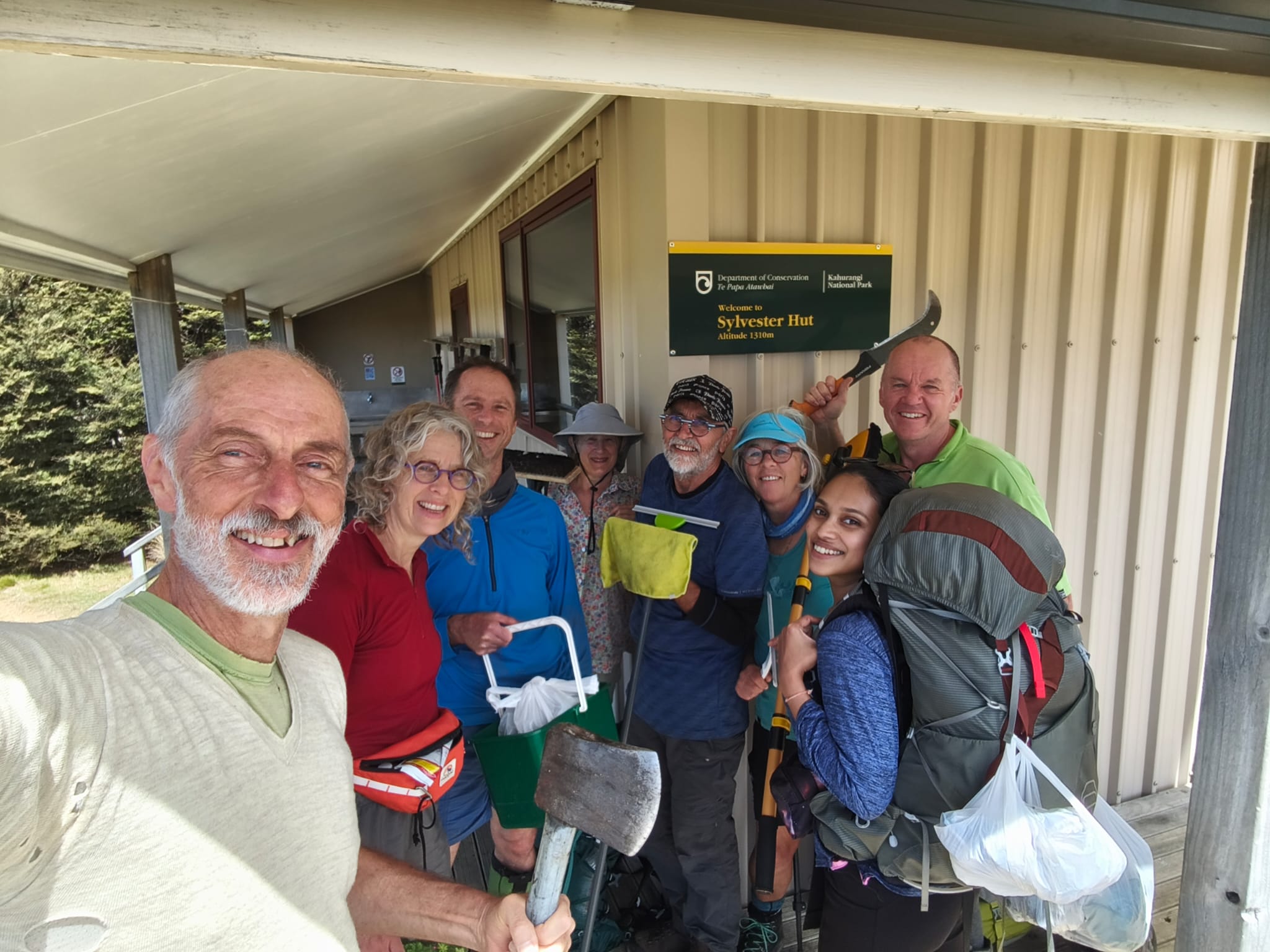
- It decides which activities will or will not require a permit for commercial concessions, but voluntary work is not exempt. To recognise the significant contribution of recreational and conservation volunteers, there should be an exemption for voluntary work like hut and track maintenance, pest control, and search and rescue.
- There is a lack of clear guidance around the boundaries of area plans and how conservation and recreation are considered. The NCPS should include clear principles for determining area plan boundaries and policies that protect conservation, recreation, and public access.
- It doesn’t specify how the conditions for pre-approved activities will be practically managed and monitored for compliance, risking overcrowding, loss of tranquillity, and environmental impacts. Commercial operators must register activities with DOC, including frequency, participant numbers, and location.
FMC supports streamlining our conservation planning framework and speeding up processes, but it should not be at the expense of our wild places and New Zealanders’ enjoyment of them.
Read our full submission here.
Image: Sue Martin, Musterers Hut
Share This Story, Choose Your Platform!

Latest News
Love Our Huts is returning for its third consecutive season and Federated Mountain Clubs of New Zealand (FMC) is calling on Kiwis to give some love to the backcountry.

Conservation Minister Tama Potaka announced a new MOU between DOC and Backcountry Trust this month, supporting the preservation of our backcountry huts and tracks.

Following significant changes and extensive consultation on the Winstone Pulp application to discharge waste into Whangaehu River, FMC has lodged a neutral submission.

