
Recreation advocacy delivers major win

The Aotearoa Climbing Access Trust (ACAT), Federated Mountain Clubs of New Zealand of New Zealand (FMC) and a coalition of the wider recreation sector have worked to change a law that inadvertently restricted people’s ability to get onto private land.
That work has now paid off: the recently passed Health and Safety at Work Amendment Act contains a major win for recreational access to private land.
The outdoors cannot and should not be made risk-free. Difficult terrain, weather, river crossings, climbing and other risks are an inherent part of outdoor recreation and should be managed by those who choose to participate. But that principle has been challenged in recent years, including by New Zealand’s previous Health and Safety law.
Removing the fear of liability
Under the previous law landowners, including farmers, foresters and councils, faced uncertainty about whether allowing recreational users onto their land could expose them to prosecution or liability.
That uncertainty became a very real issue when WorkSafe took health and safety prosecutions after the Whakaari/White Island tragedy.
ACAT recognised the charges could reshape the law as it applied to recreation. The concern was that landowners, fearing being held responsible if someone was injured, would restrict or refuse access to their land.
How it was won
ACAT became involved in the White Island court proceedings, and successfully won on the substantial issues it raised, steering the law in the right direction.
But despite this win, WorkSafe continued to apply the old interpretation.
ACAT then joined forces with FMC, combining ACAT’s technical expertise with FMC’s long history and reach across the sector. Together they assembled a wider coalition including the New Zealand Deerstalkers Association, Fish & Game, the Game Animal Council and much of the recreation sector.
The coalition worked extensively with Health and Safety Minister Brooke van Velden and officials, lodged a common submission and presented oral submissions to the select committee.
What has changed
Landowners and land managers (in the Act’s terms, anyone ‘conducting a business or undertaking who manages or controls a workplace that includes outdoor space’) no longer owe the workplace-management duty to people lawfully using that land for recreation, including those crossing it to reach other land.
Sensibly, the duty may still apply where the recreational activity is part of with the landowner’s business, or where work is being undertaken at the same time and near the place used for recreation.
The Act is not a blanket immunity, and it does not remove the need for reasonable communication where active work is occurring. What it does is restore a principled distinction: work is work, and recreation is recreation.
When landowners permit access to their land for tramping, climbing or other activities, they can rest assured that they have no risk of liability from any recreation-related accidents.
The work continues
The coalition is continuing to work together and with officials on the guidance that will sit beneath the new law as well as clarifying the HSWA position for clubs. This is a great example of what effective co-operation between government and civil society looks like: working alongside the wider outdoor community, proposing a positive and workable solution, and securing what ought to be durable law.
You can read our joint submission here.
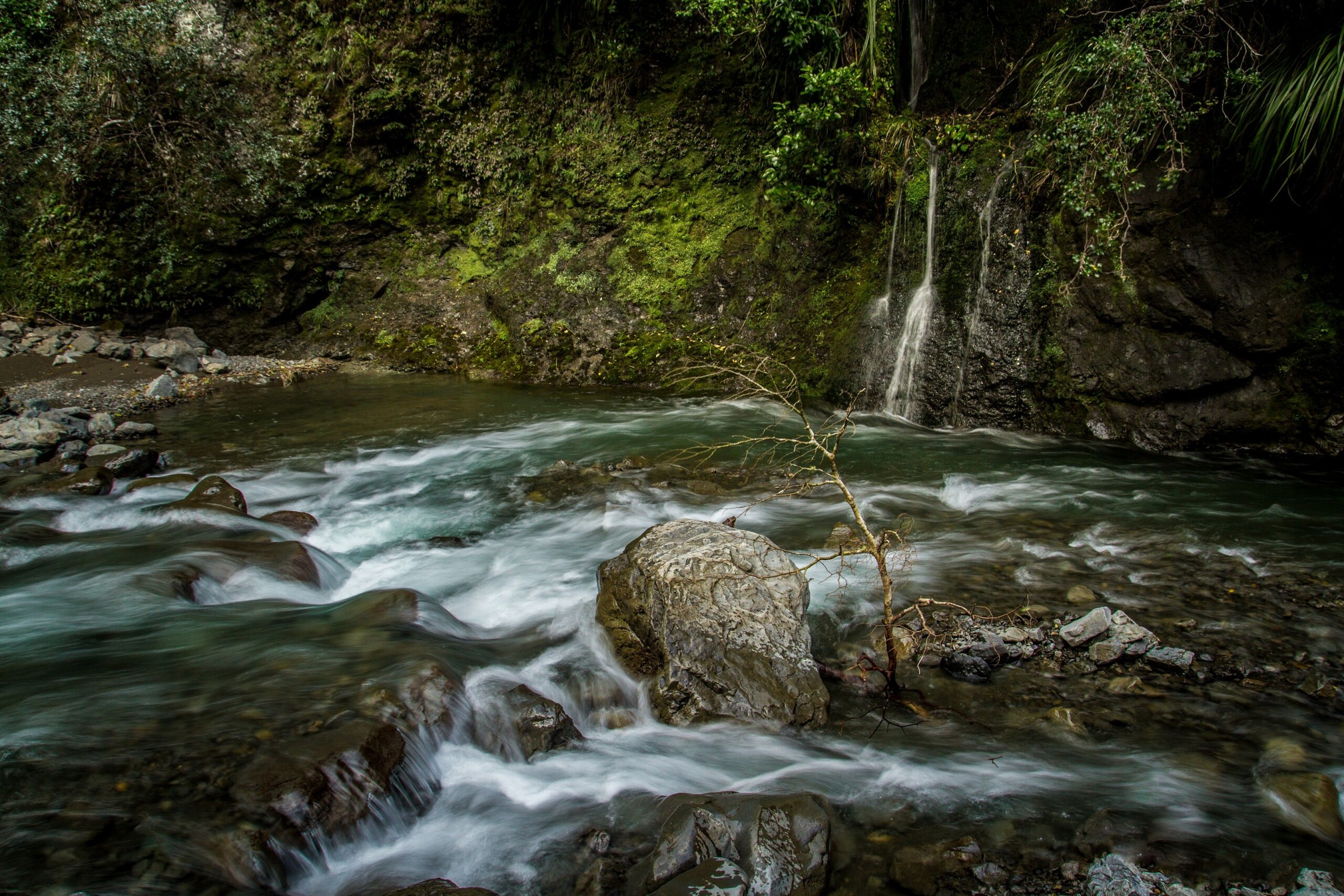
Image: Jason Blair
Share This Story, Choose Your Platform!

Latest News

FMC wrote to the major political parties in July, asking what they think about keeping access free for New Zealanders, maintaining huts and tracks, strengthening the Conservation Act’s protections and recognising the value of outdoor recreation.
FMC has lodged a second submission on the Tukituki Water Storage land exchange following DOC's draft report on the proposal.
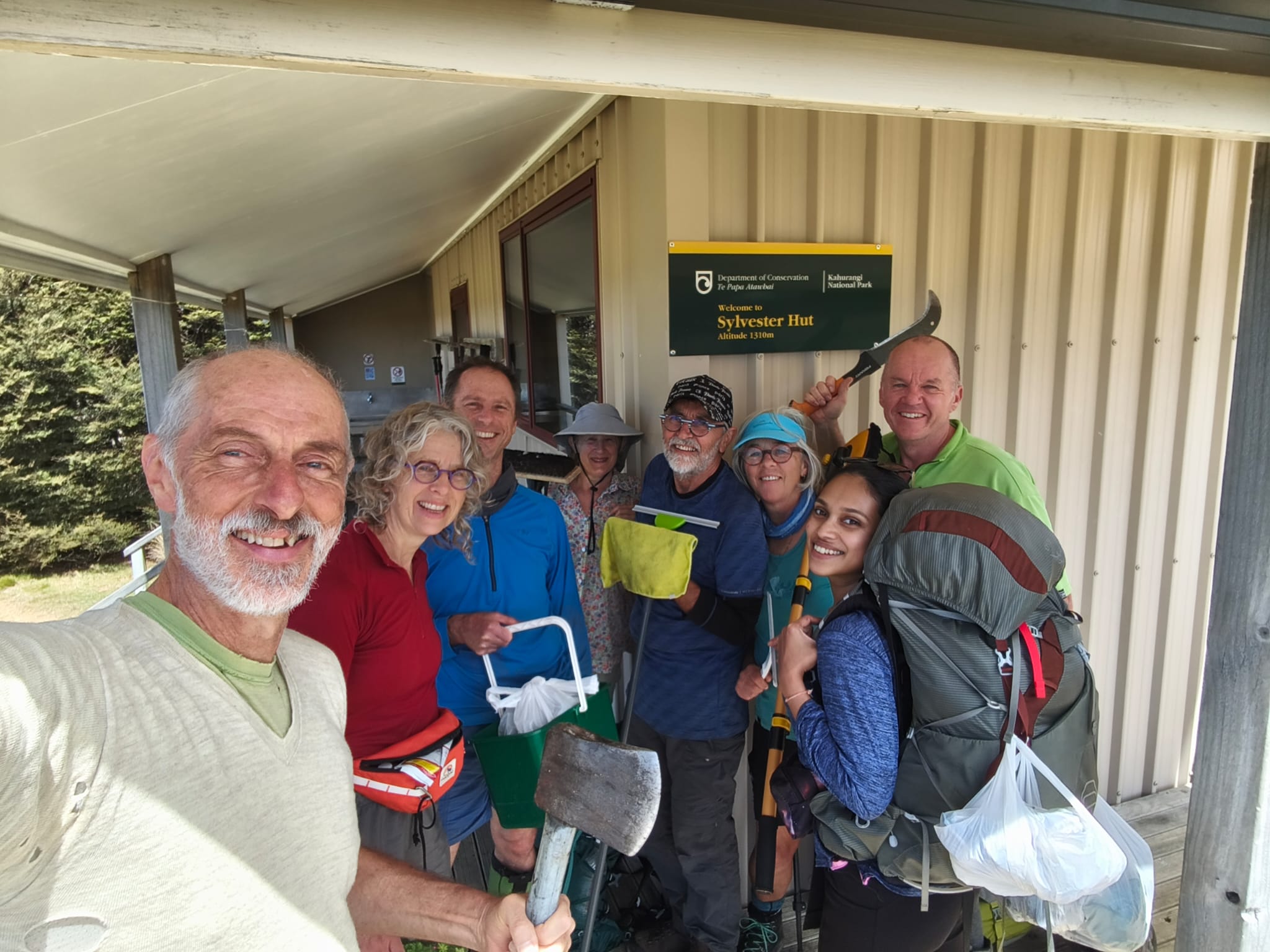
Love Our Huts is returning for its third consecutive season and Federated Mountain Clubs of New Zealand (FMC) is calling on Kiwis to give some love to the backcountry.

