
FMC opposes Cape Palliser public road closure
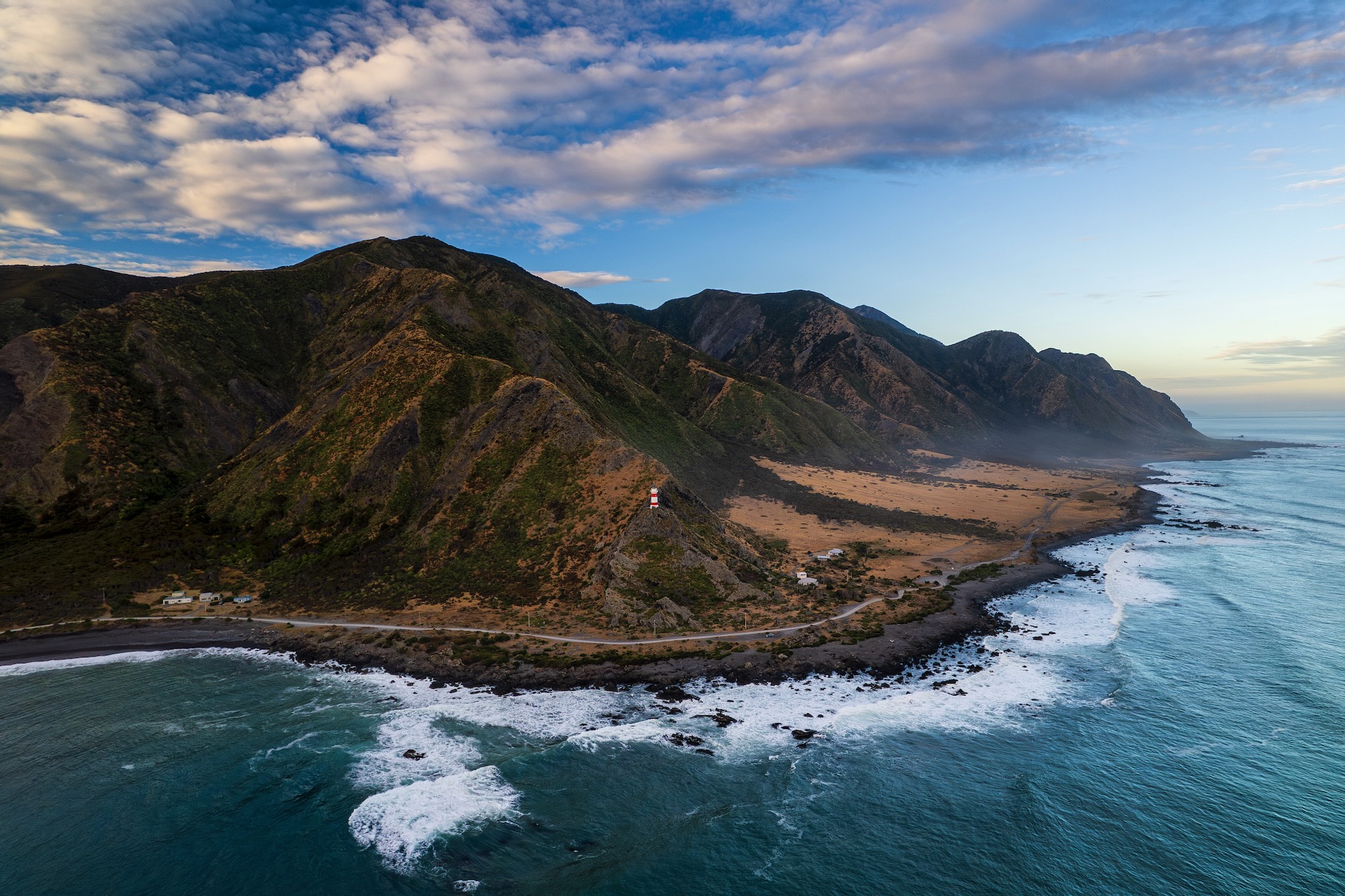
Federated Mountain Clubs has made a submission opposing the South Wairarapa District Council’s proposed Paper Road Access Bylaw 2025. The bylaw would close all public access — including walking and cycling — on part of the unformed legal road that provides public access beyond the Cape Palliser Road end along the Cape Palliser / Te Mātakitaki a Kupe coast.
We see the proposal as both unjustified and unlawful. Under current law, councils can only restrict motorised vehicles on an unformed legal road — not people on foot or bike — unless they first go through the formal “road stopping” process. The Council has chosen not to do this.
This striking coastal area is a popular destination for cyclists, walkers, fishers, and surfers, and is rich in cultural history and biodiversity. We believe the real issues in the area — such as damage to the land — could be addressed by practical on the ground measures, so that activities like walking and cycling should continue, while protecting the area’s natural and cultural values.
FMC is urging the Council to take a more balanced approach, following examples such as Greater Wellington Regional Council’s regional parks, which manage public recreation and environmental protection side-by-side.
We highly recommend watching these two excellent videos to familiarise yourself with the issue:
Locked out of public land? Fight for the Cape Palliser – part 1
Locked out of public land? Fight for the Cape Palliser – part 2
Photo: Cape Palliser by Andy Macdonald
Share This Story, Choose Your Platform!

Latest News
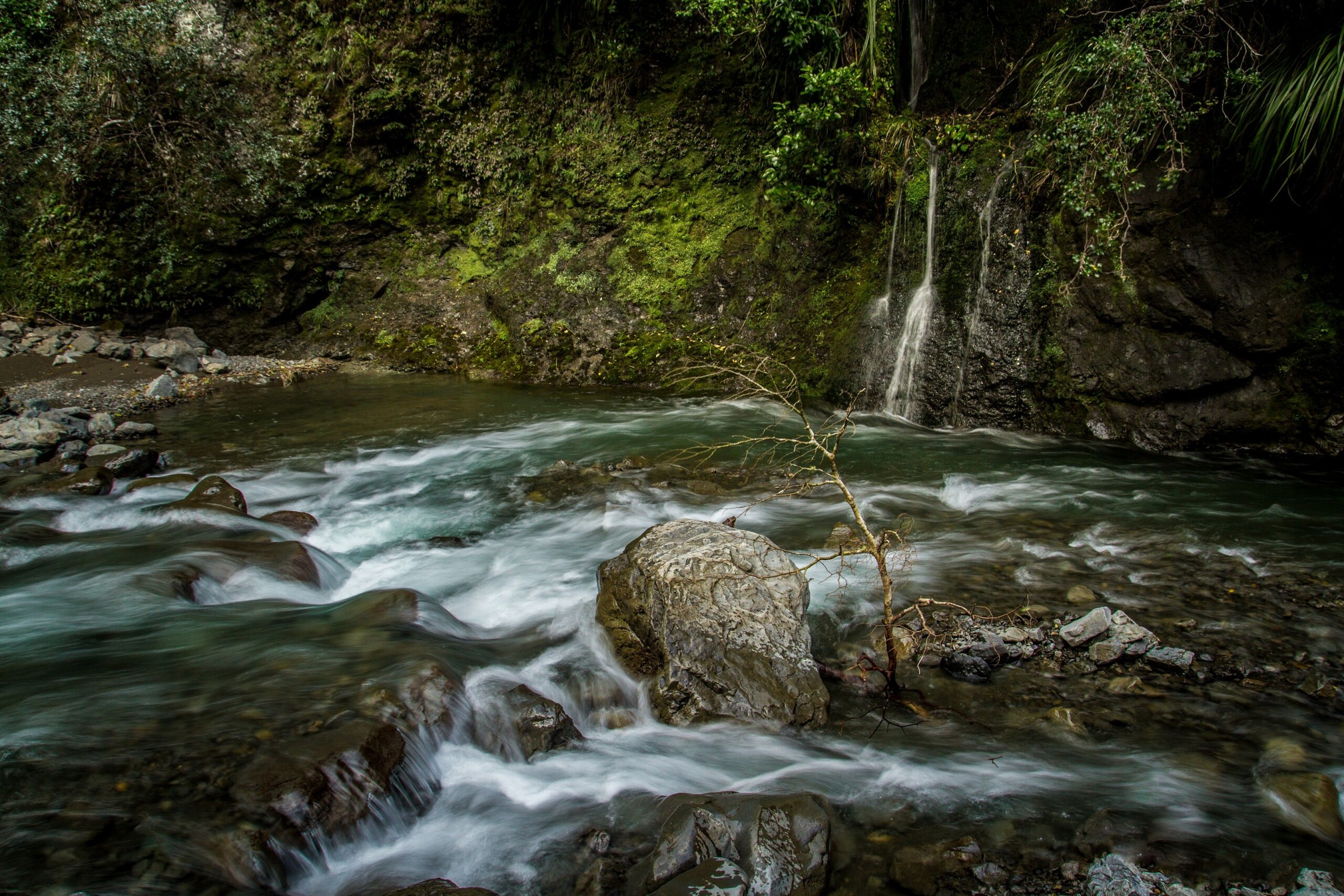
FMC has lodged a second submission on the Tukituki Water Storage land exchange following DOC's draft report on the proposal.
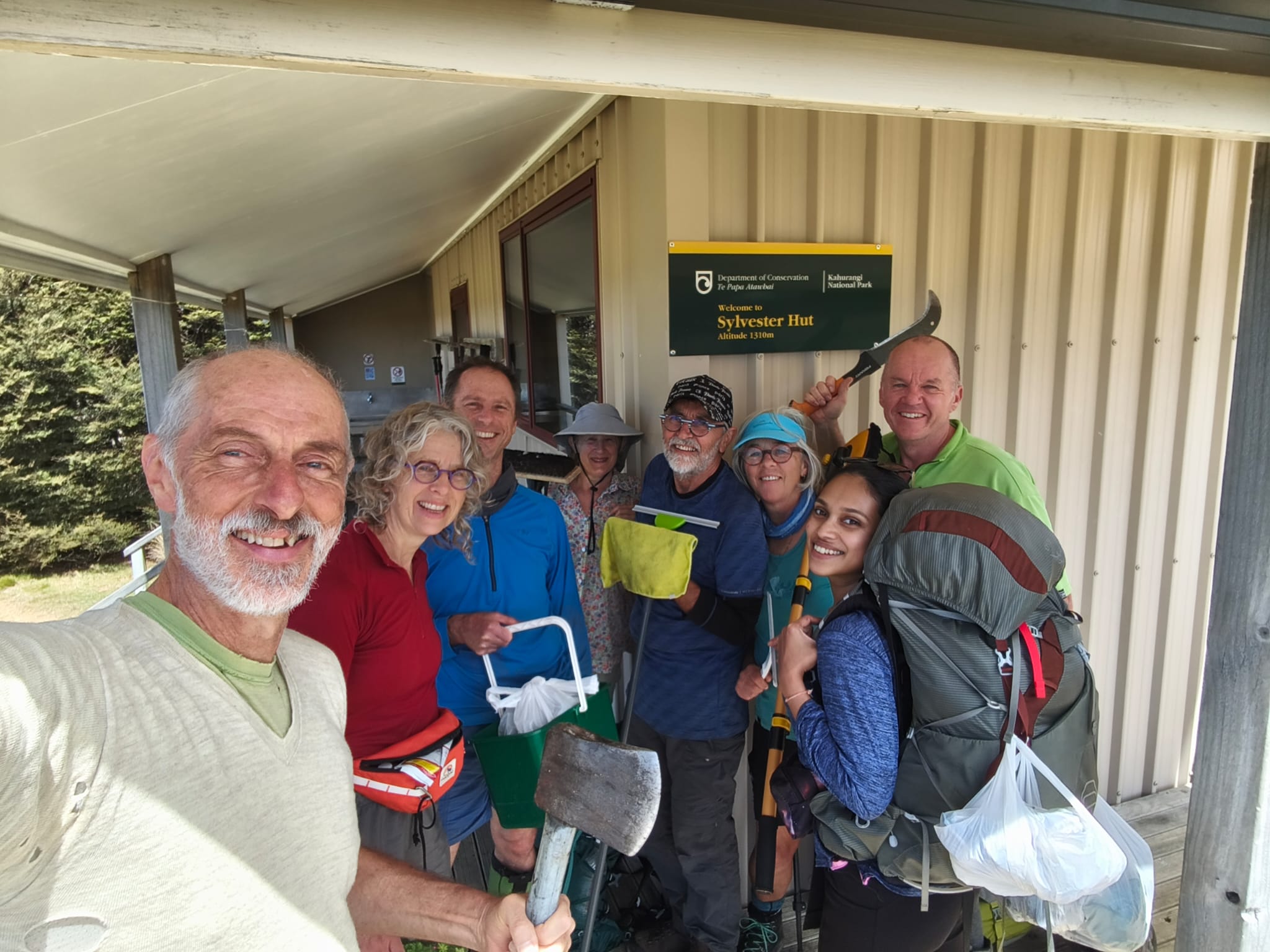
Love Our Huts is returning for its third consecutive season and Federated Mountain Clubs of New Zealand (FMC) is calling on Kiwis to give some love to the backcountry.
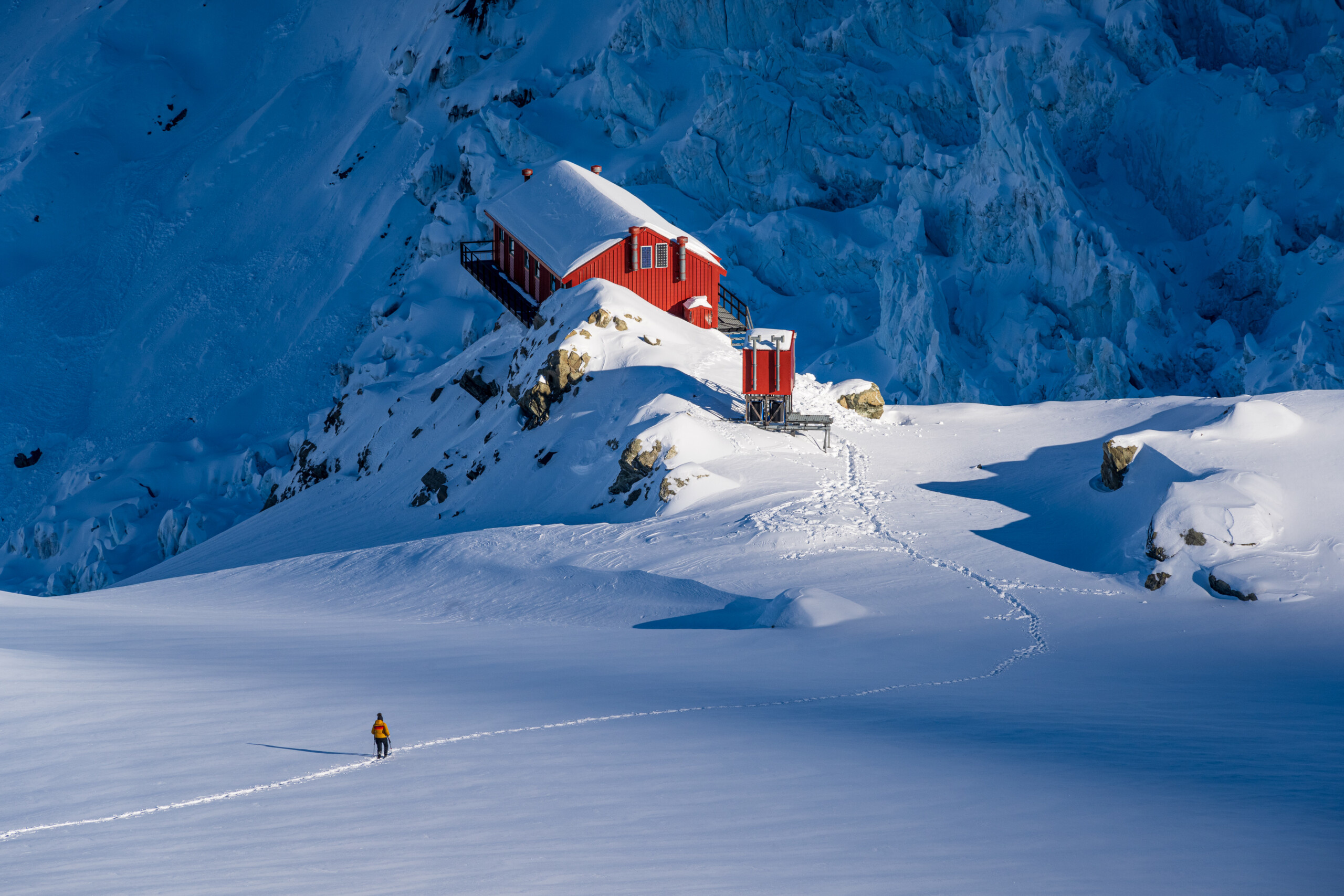
Conservation Minister Tama Potaka announced a new MOU between DOC and Backcountry Trust this month, supporting the preservation of our backcountry huts and tracks.

