
FMC condemns final approval of hydro scheme in pristine West Coast river
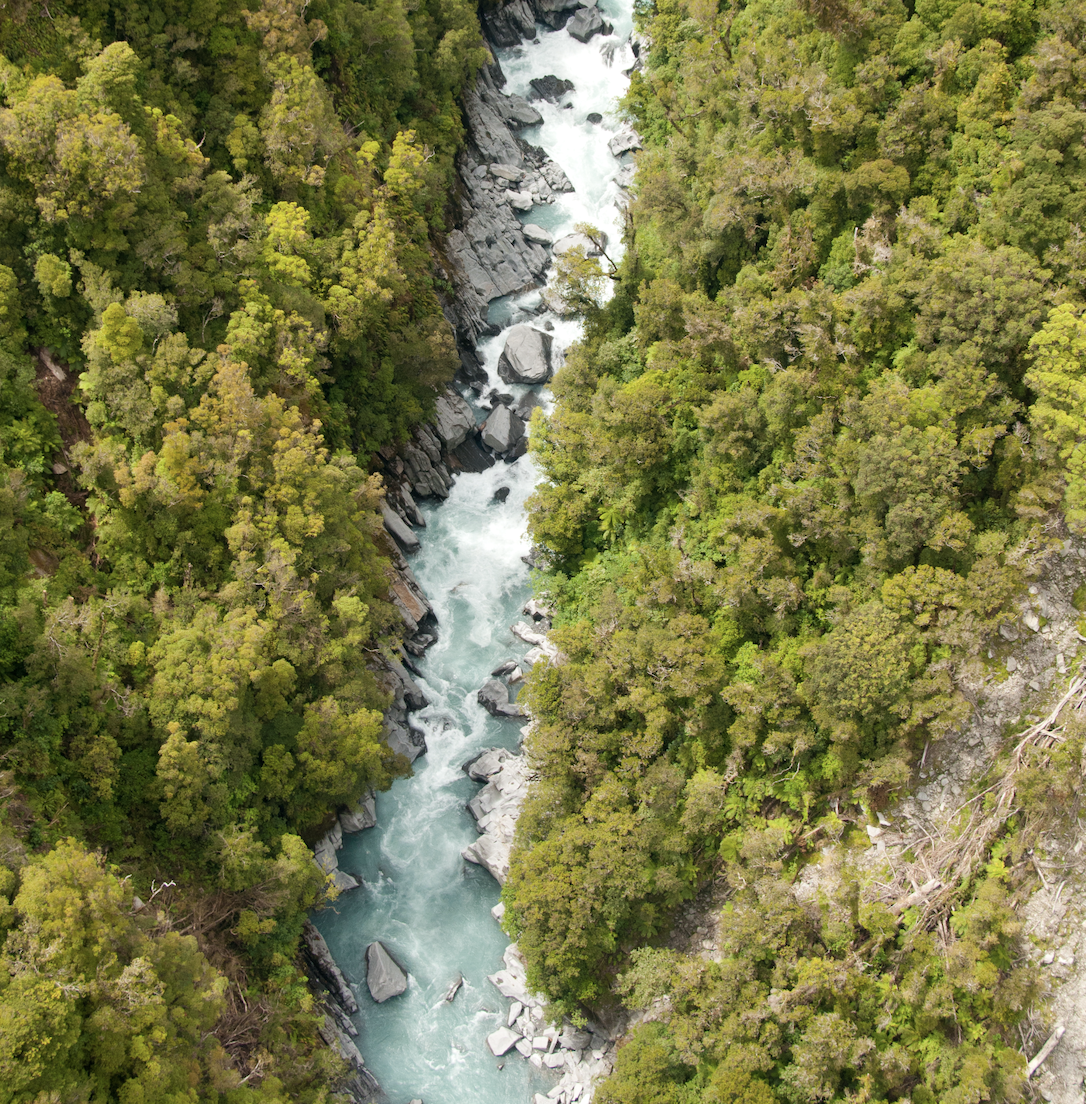
The Federated Mountain Clubs of New Zealand (FMC) is deeply disappointed by the Fast-Track Panel’s final decision to approve Westpower’s Hydro Scheme in the pristine, largely untouched Waitaha River.
The decision comes just days after FMC, Forest & Bird, Greenpeace NZ, NZ Canyoning Association, Buller Tramping Club, and former Whitewater NZ President Kev England sent a joint open letter to Ministers and the Panel, urging the Panel to decline the application and calling on Ministers to protect the Waitaha.
FMC President, Megan Dimozantos, said the decision is a blow to all recreationalists and New Zealanders who value wild places.
“Waitaha is one of the country’s last truly intact wild river gorges. It’s visited by trampers, canyoners, and whitewater paddlers, and it sits on public conservation land.
“Once the scheme is built, there is no going back. Today marks a dark day for recreation and for our conservation estate,” said Dimozantos.
FMC made repeated attempts to ensure the Panel received accurate information about the scheme’s recreational effects, including flagging false and misleading content in Westpower’s application. The Panel declined FMC’s request to comment.
“It appears the Panel has actively avoided receiving information that didn’t suit the outcome,” said Dimozantos.
FMC is reviewing the final decision and is considering its options.
Image: Zak Shaw
Share This Story, Choose Your Platform!

Latest News
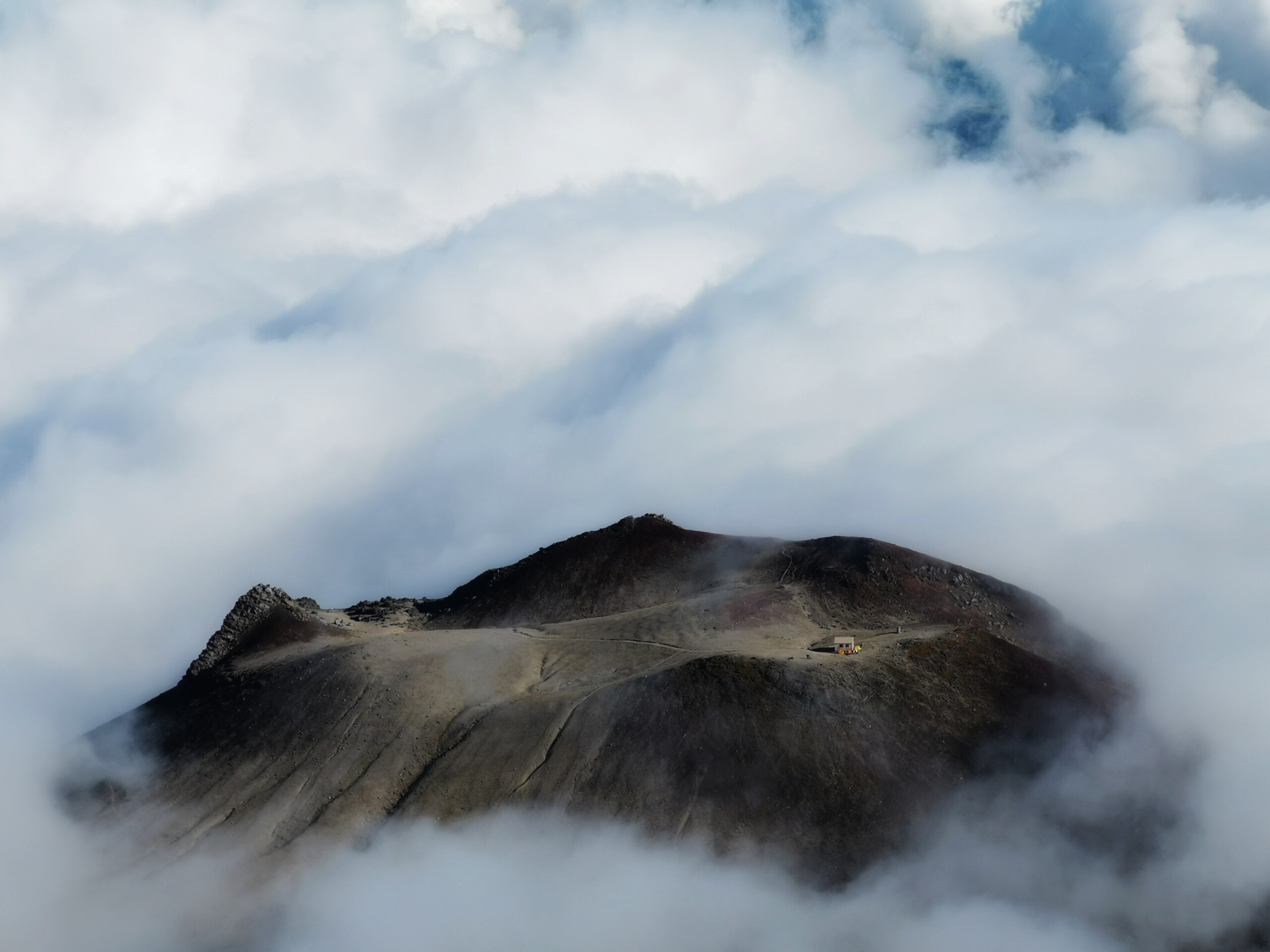
FMC wrote to the major political parties in July, asking what they think about keeping access free for New Zealanders, maintaining huts and tracks, strengthening the Conservation Act’s protections and recognising the value of outdoor recreation.
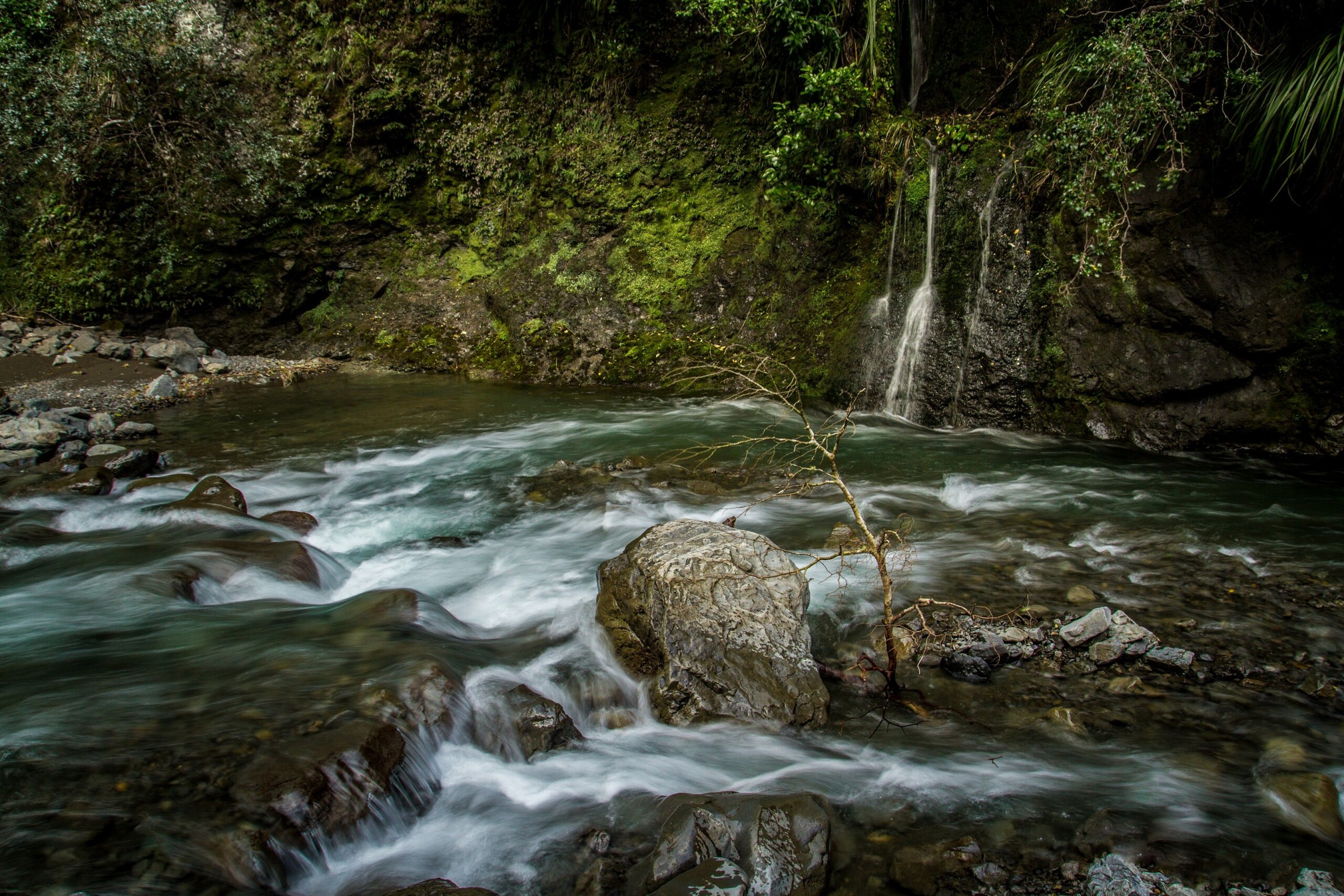
FMC has lodged a second submission on the Tukituki Water Storage land exchange following DOC's draft report on the proposal.
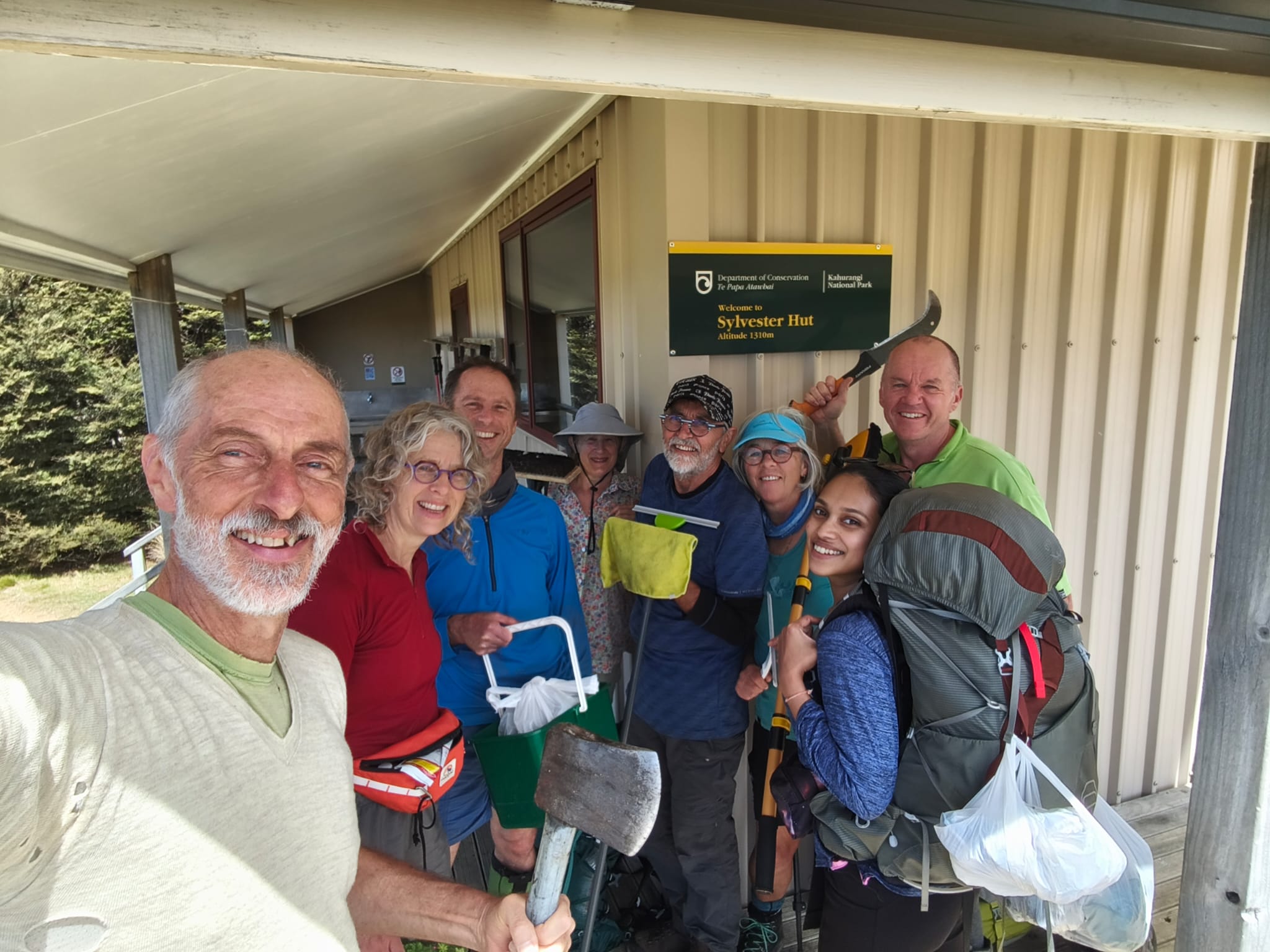
Love Our Huts is returning for its third consecutive season and Federated Mountain Clubs of New Zealand (FMC) is calling on Kiwis to give some love to the backcountry.

