
Western South Island Cave and Karst Operational Plan
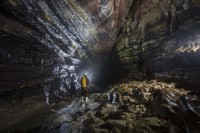
The South Island’s West Coast is home to a highly significant karst region.
Features of the West Coast karst include:
- the largest area of unmodified lowland karst in New Zealand;
- the longest limestone (as opposed to marble) cave systems in New Zealand;
- a high diversity of cave geomorphology, cave mineral forms and cave fauna;
- the most significant subfossil deposits known;
- a wide range of scientific values of particular interest to geomorphology, climatology and other disciplines;
- the finest example of karst river capture in New Zealand;
- high levels of tourism at some sites (Oparara; Punakaiki Pancake Rocks);
- adventure caving tourism opportunities.
With NZ Speleological Society’s Ian Millar and DOC’s Lauren Kelly, FMC Exec member Neil Silverwood has authored the Western South Island Cave and Karst Operational Plan. This is a very comprehensive document that provides guidance for the Department’s management of caves and karst on the West Coast, consistent with relevant legislation and statutory planning documents. The document was signed off by Mark Davies, Regional Director of Operations for the Western South Island, in December 2018.
Congratulations (and thanks to) Neil, Ian and Lauren on an impressive piece of work.
Photo at top: Fox River cave streamway. (c) Neil Silverwood
Share This Story, Choose Your Platform!

Latest News
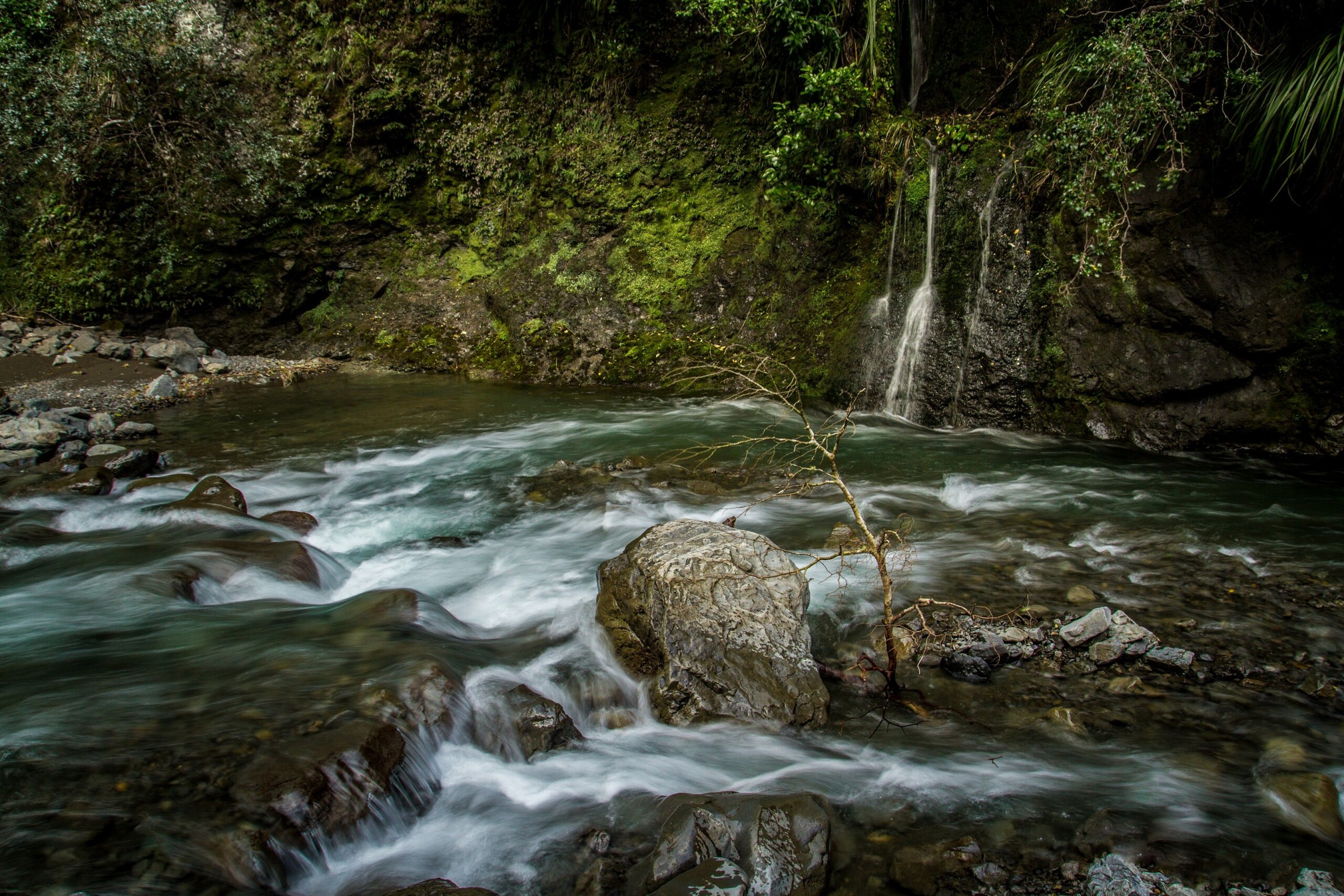
FMC has lodged a second submission on the Tukituki Water Storage land exchange following DOC's draft report on the proposal.
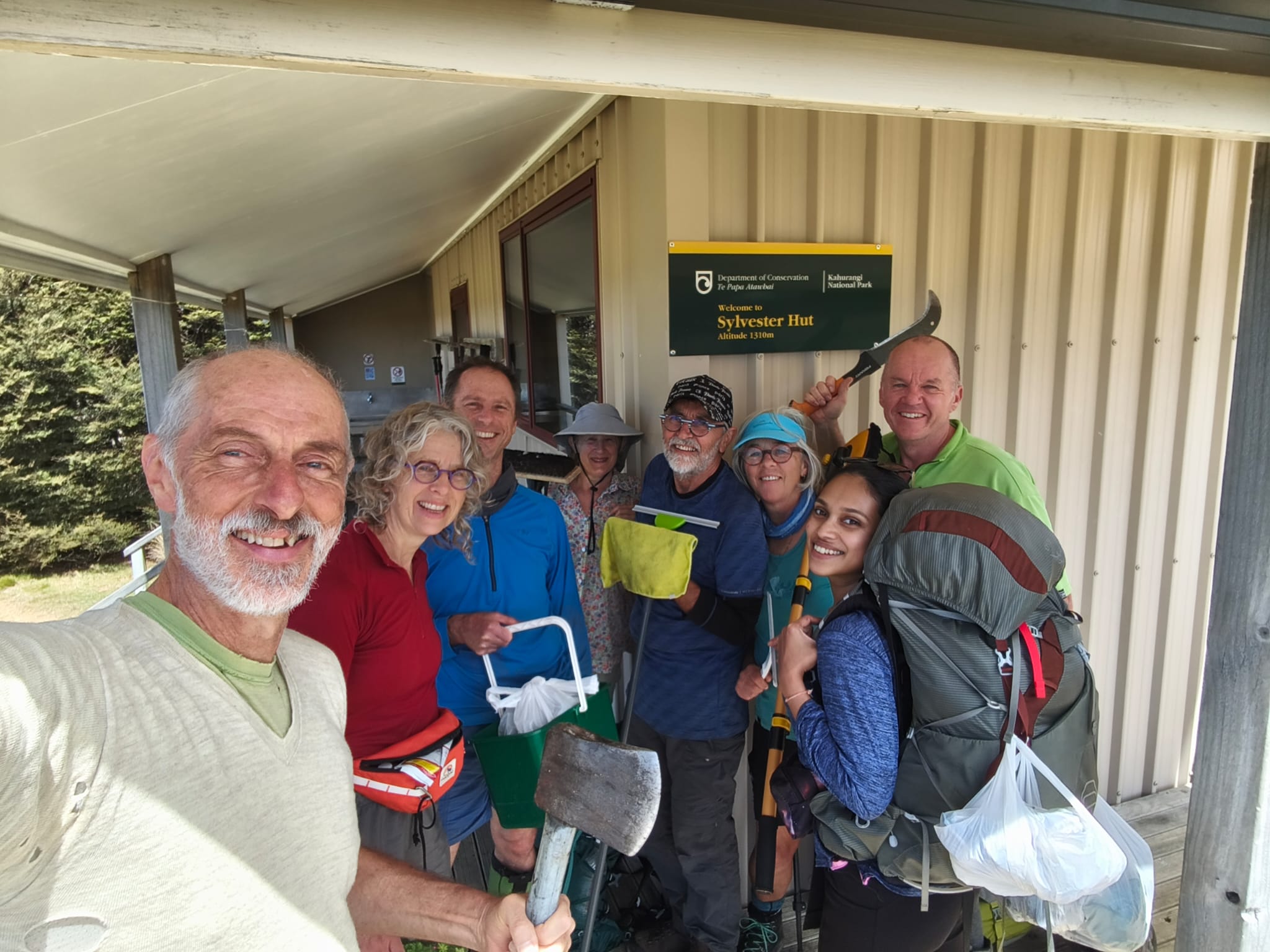
Love Our Huts is returning for its third consecutive season and Federated Mountain Clubs of New Zealand (FMC) is calling on Kiwis to give some love to the backcountry.
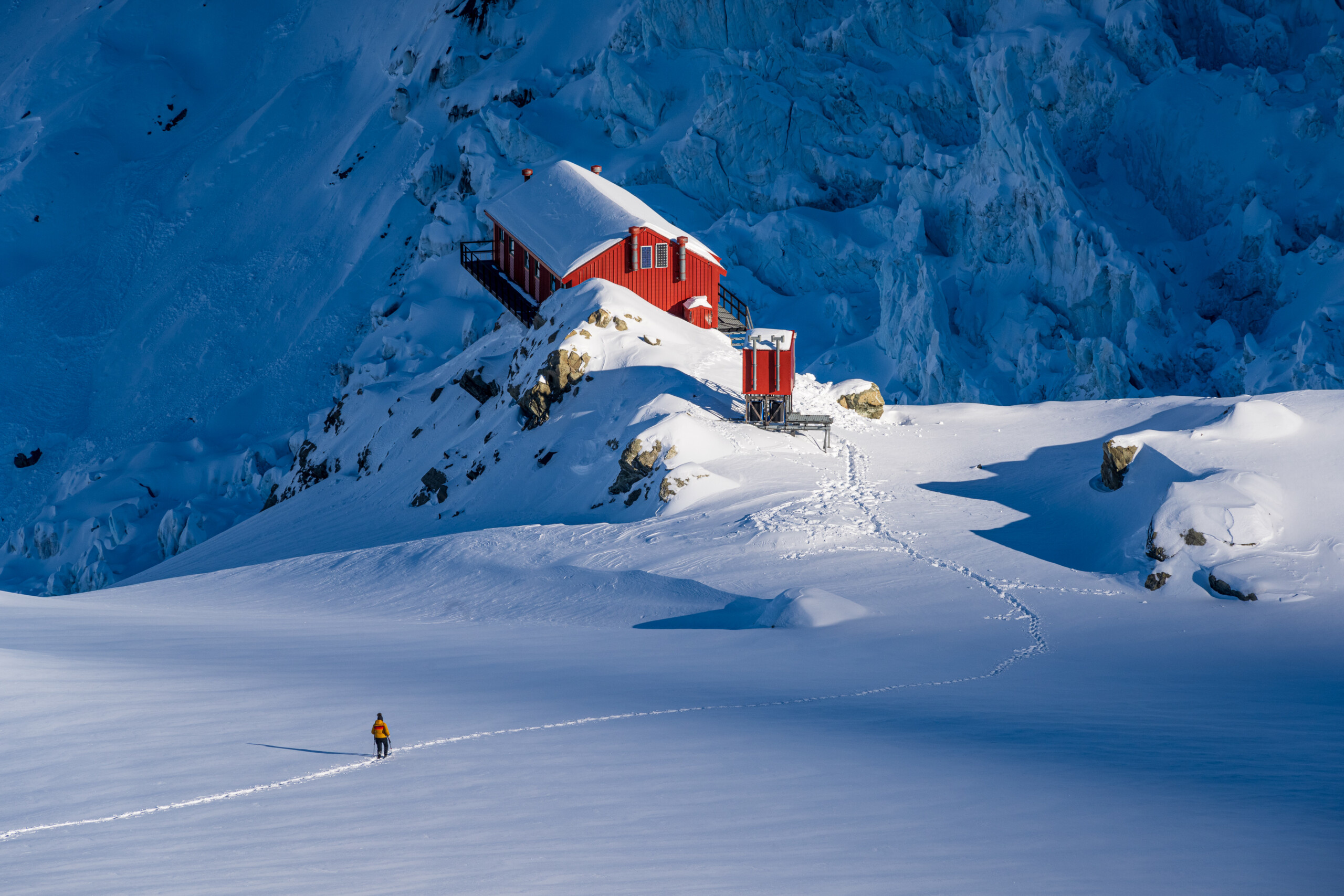
Conservation Minister Tama Potaka announced a new MOU between DOC and Backcountry Trust this month, supporting the preservation of our backcountry huts and tracks.

